


Czech Farmers Slash Herds Amid Drought
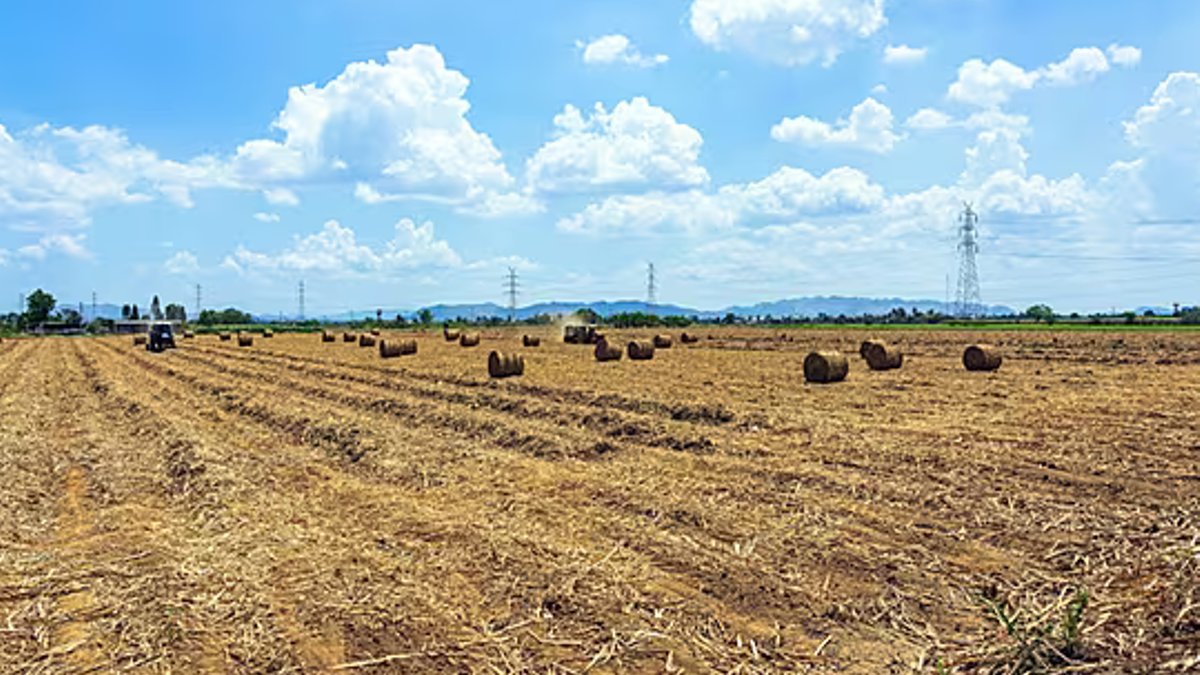
Czech farmers are slashing herd sizes after an unusually dry summer cut grain yields and crippled feed production, leaving them with scarce forage and soaring costs, according to statements from farm representatives.
Feed Shortage Forces Herd Reductions
The lack of moisture has trimmed both grain and forage crops, creating a shortage that has driven hay prices to levels unseen in recent memory. The scarcity forces producers to prioritize essential livestock, trimming numbers wherever possible.
Water deficits have also emptied reservoirs and dried wells across central Europe, prompting emergency shutdowns at power stations that rely on cooling water, a side effect that further strains rural economies.
“In haylage, we are at about half of the harvest we need to secure our feed stock,” said Zdenek Duffek, board chairman of Agropodnik Kosetice, a 2,600‑hectare operation located 90 km southeast of Prague.
The enterprise manages roughly 2,900 cattle, including about 1,000 dairy cows, 600 male cattle for meat, plus calves and young females. The mix reflects a typical mixed‑use farm in the region.
Related: Ivory Coast to keep cocoa farmgate price low for 2026/27 season
Annual feed needs total around 11,000 tonnes of haylage, a fermented forage product. Last year’s stock sits at roughly 3,000 tonnes, leaving a shortfall of about 1,500 tonnes. The farm must decide how to allocate the limited supply.
Given the tight market, the farm may opt to cull non‑core animals early, selling young stock before the winter feeding season. This approach could preserve the dairy herd while reducing feed expenses, though it may affect future breeding cycles.
Economic Ripple Effects
Martin Pycha, chairman of the Czech Agriculture Association, reported that the price of a bale of hay has jumped from roughly 500 crowns to about 2,000 crowns. The surge reflects the broader scarcity of forage.
With feed costs soaring, the farm has decided to send bulls to slaughter ahead of schedule and market calves quickly, deeming it more viable than purchasing additional feed at current rates.
“We have to secure the core herd, the milk cows, we have to give them all we have … We are reducing rearing bulls, and we are trying to sell out this category so we do not have to feed them,” Duffek explained.
Related: AxiTrader review – Exposure From Previous AxiTrader Users
Higher supply of beef has begun to push retail prices down, a trend mirrored in other commodity markets across the region.
The sector faces an estimated loss of 20 billion crowns in revenue for primary products this year, according to the association’s latest figures.
Cash flow remains tight as low milk prices, a surplus of European dairy output, and raised fuel and fertilizer costs—partly linked to the ongoing conflict involving the United States and Iran—compound the financial strain.
Analysts note that if the dry spell persists into the next planting season, producers may need to seek alternative feed sources or adjust herd structures further, a scenario that could reshape the regional livestock setting.
Weather forecasts for the coming months show only modest precipitation, offering little hope of a rapid rebound in forage yields. Farmers will likely continue to monitor market signals closely as they handle the lingering effects of the water shortage.


